
27 MAY
Software development functions through an organized sequence that develops concepts into operational applications or systems. SDLC presents a certified process through which the transformation takes place because it follows a systematic path. The market for software lifecycle development is predicted to increase at a CAGR of 11.5% from 2023 to 2030. Software development requires the SDLC to provide management control throughout its development cycle from initial concepts to deployment and post-launch maintenance.
Knowledge of the SDLC remains essential for achieving practical software delivery projects alongside schedule and cost reduction.
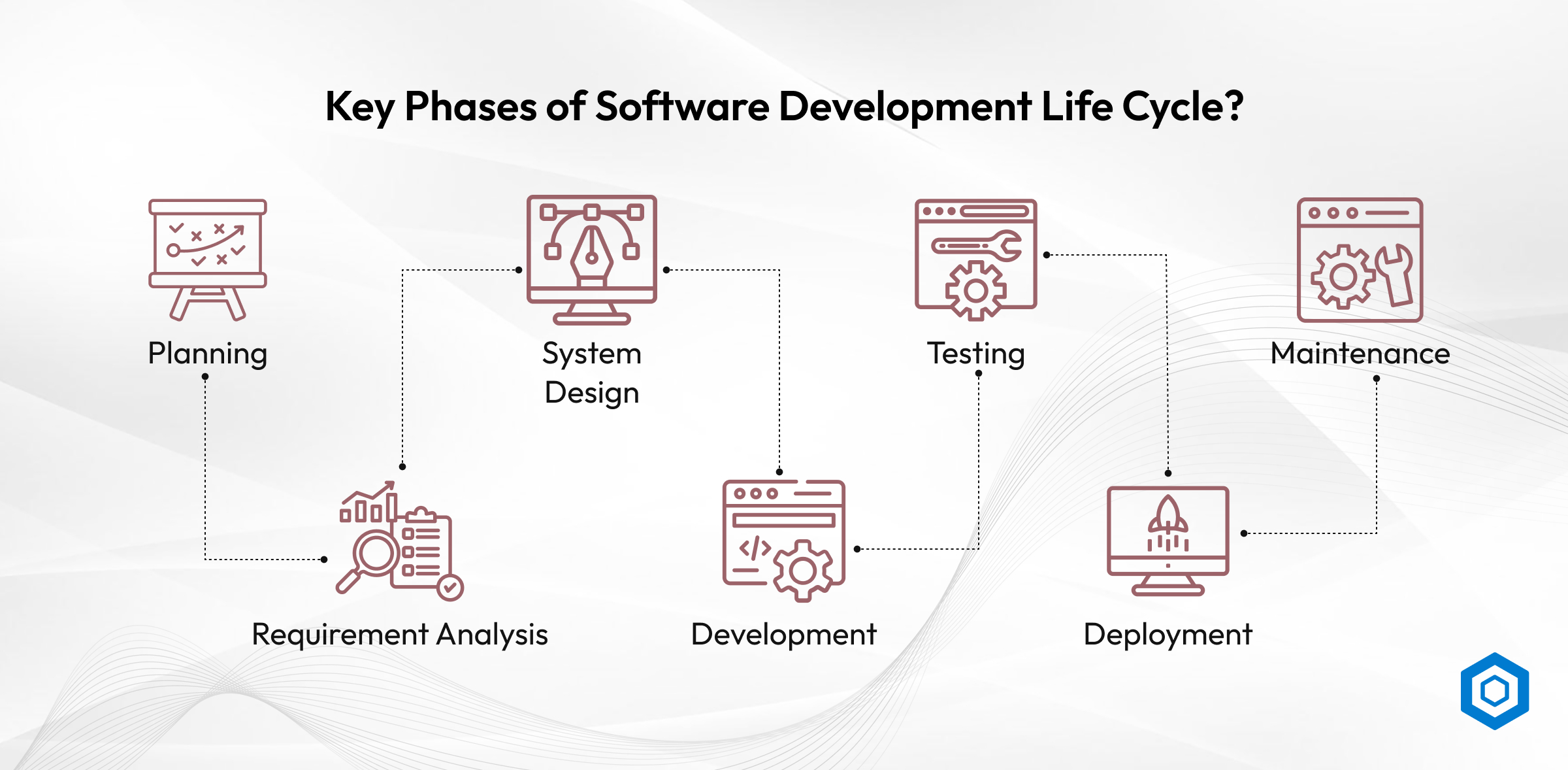
The Software Development Life Cycle (SDLC) provides a framework to sequence the entire software development process. The process contains various stages, beginning with planning and ending with analysis. Design and development follow, testing starts before deployment, and maintenance occurs. SDLC divides its process into separate phases, which provide individual aims to reduce potential dangers while managing expenses optimally and enhancing overall performance.
SDLC guarantees software delivery of products that fulfill business needs, meet industrial directives, and respect predetermined scheduling requirements.
Have an idea or project in mind? Drop us an email.
Curious how we’ve helped businesses like yours succeed? Check out our portfolio for real-world examples of success stories of DevOps and software development.
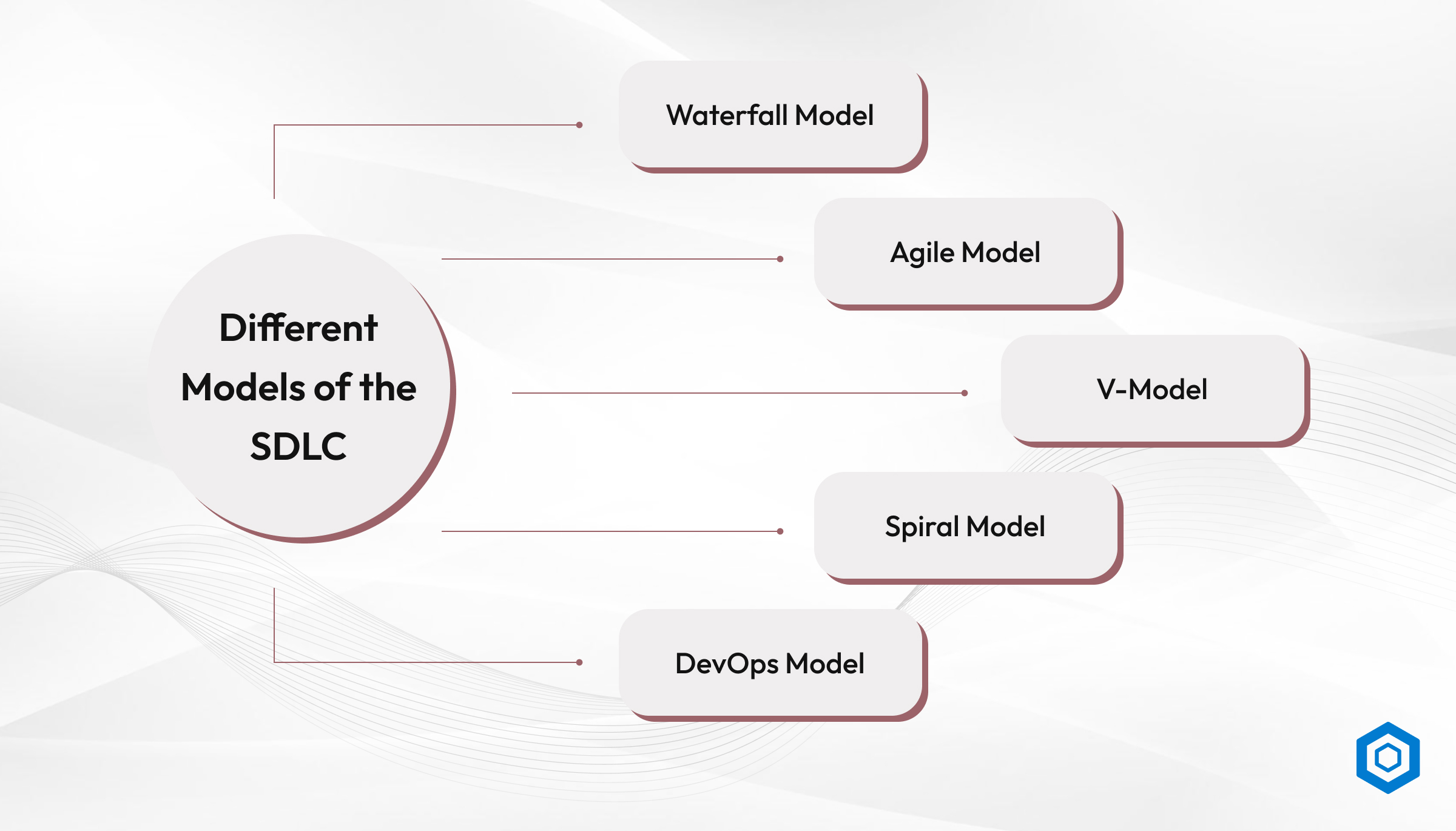
There are different models of the SDLC, each with its own approach to software development:
Integrating DevOps in Software Development Life Cycle (SDLC)
Benefits of DevOps in Software Development Life Cycle (SDLC)
DevOps Tools and Methodologies
Popular DevOps tools include:
DevOps tools and methodologies aim to automate manual processes and foster a rapid, reliable delivery culture.
How to Choose the Right Software Development Life Cycle (SDLC) Model
Choosing the right SDLC model depends on:
Agile and DevOps provide optimal results for changing projects, yet the Waterfall model delivers better functionality to smaller, straightforward projects.
Understanding the Software Development Life Cycle is key to building efficient, high-quality software. By incorporating DevOps tools and methodologies, teams can further streamline development, improve collaboration, and reduce time to market. Whether you’re an enterprise or a startup, using a structured SDLC framework combined with DevOps can ensure project success. And if you want to scale efficiently, don’t hesitate to hire a DevOps development company that can bridge the gap between coding and deployment. Your software initiatives can thrive in today’s fast-paced digital landscape with the right people and processes.
Ready to take the next step in your software journey? Contact us today.

Benefits of DevOps include faster delivery, reduced failure rates, improved collaboration, enhanced security, and better resource utilization. It allows teams to respond quickly to changes and continuously improve the software quality.
When you hire DevOps developers, you gain access to experts who can automate deployment, manage cloud infrastructure, and enhance team collaboration. This reduces time-to-market, improves reliability, and supports scalable software growth.