

Written by: Gracy Christian | 15 DECEMBER
In contemporary technology, images have permeated every facet of our lives, and the significance of wonders of image processing has surged as an essential tool for extracting valuable data, enriching visual content, and facilitating myriad applications across diverse industries. This article seeks to unravel the fascinating domain of image processing, exploring its wide-ranging applications, advanced techniques, and the promising frontiers it unveils for the future – a journey into the wonders of Image Processing.
Before delving into the wonders of image processing, it is essential to grasp the fundamental components of an image. An image is defined by its dimensions, which determine its height and width, typically measured in pixels. For instance, a 500 x 400 image contains 200,000 pixels.
Each pixel represents a point within the image with specific attributes such as color, shade, or opacity. There are different pixel representations:
Grayscale: In this representation, a pixel is expressed by a single integer ranging from 0 to 255. A value of 0 denotes complete black, while 255 represents full white.
Image processing is a branch of signal processing that aims to enhance or extract essential information from an input image. It utilizes various techniques to modify the appearance or derive alternative image versions while preserving its meaningful features. As technology advances, image processing has become a pivotal area of research and study within computer science and engineering.
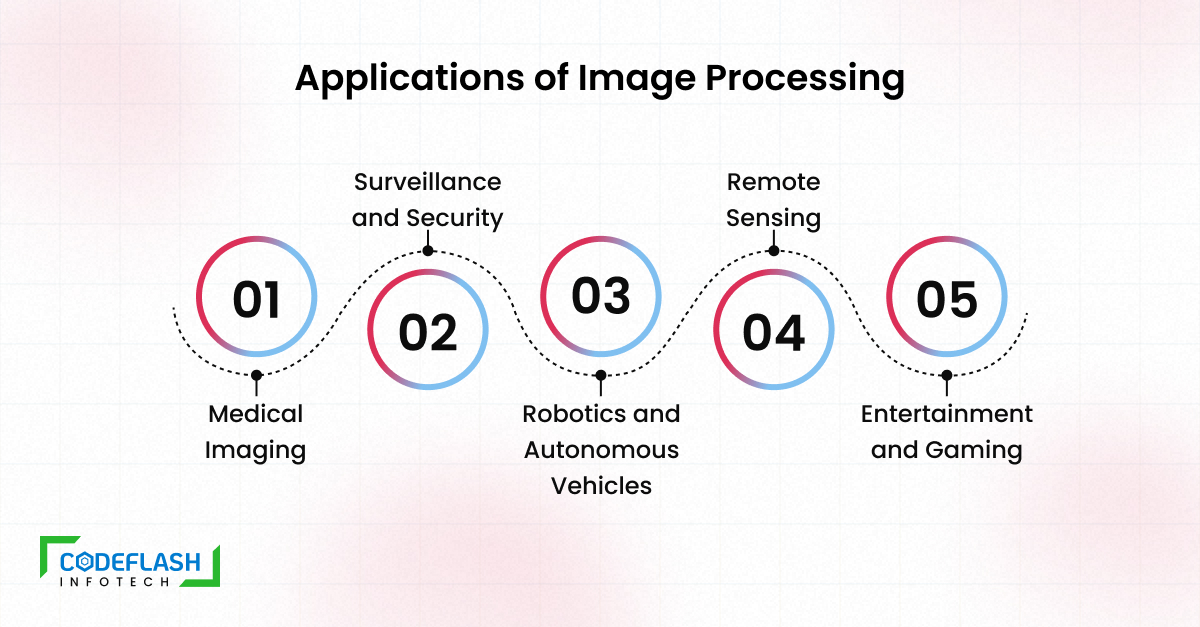
Image processing finds extensive applications across numerous domains, some of which include:
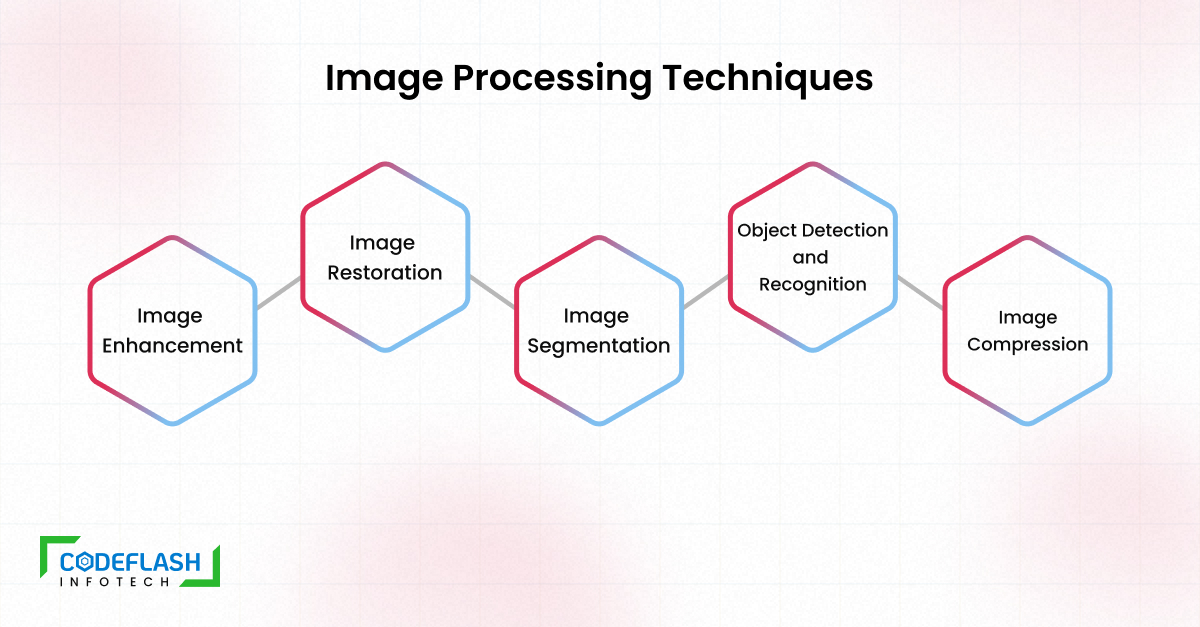
Image processing encompasses a wide range of techniques, each serving specific purposes. Some commonly used methods include:
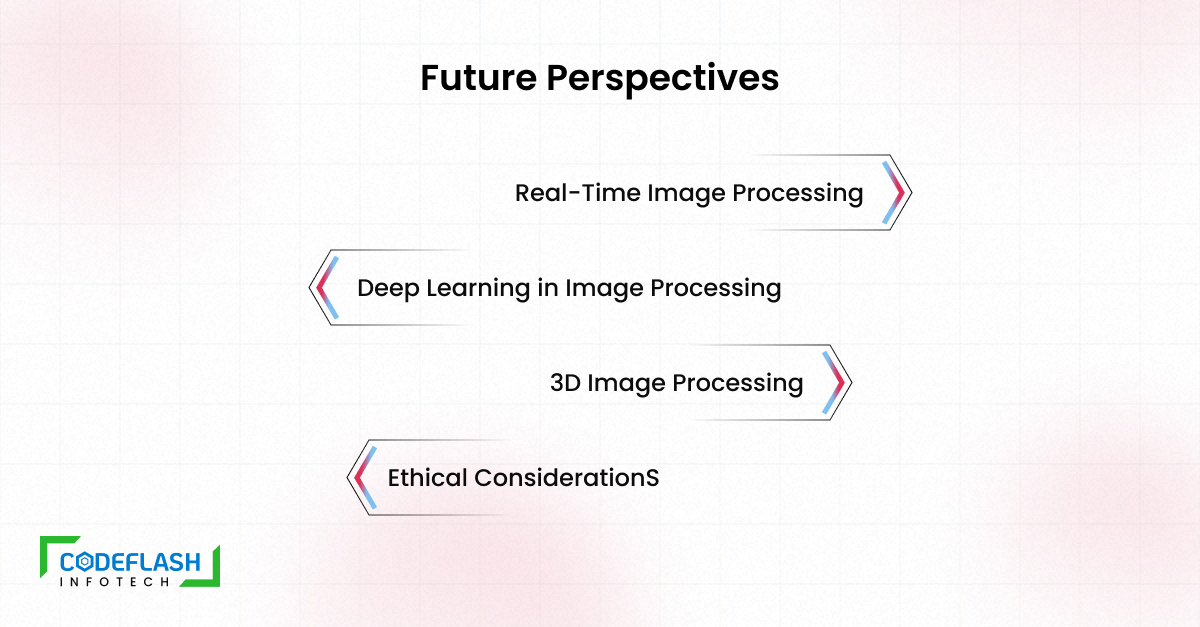
The future of image processing holds immense potential as emerging technologies and advancements continue to push the boundaries of what can be achieved. Some exciting prospects include:
The landscape of visual information interaction has been transformed by image processing, catalyzing advancements across various industries and significantly enhancing our daily experiences. The future of image processing holds immense potential, driven by ongoing technological innovations and the emergence of novel techniques.
In realizing the full scope of image processing’s capabilities, it is crucial to employ its power responsibly and ethically. By doing so, we can harness its potential for the greater good of society. As we delve into the future, the prospects for image processing are indeed promising. Embracing these advancements can pave the way for a visually enriched and ethically conscious world.
For more detailed information on this topic, you can refer to our blog titled “How to Create a Consistent Design System for Your UI/UX Project.