

08 MARCH
The prospering digital economy of Singapore increases industry-wide demands for Native or Cross-Platform App Development services. The process of developing customized mobile apps now receives business funding from start-up operations up to large enterprises as they seek to maximize customer relationships while enhancing operational effectiveness and digital market penetration.
Developing a mobile application requires businesses to pick between native and cross-platform development as one of their key decisions. The selection of a mobile app development approach depends on a business assessment of their objectives together with financial constraints and programming specifications.
The article examines the differences between native and cross-platform development, alongside their benefits and drawbacks, to help you decide which method works best for your Singapore business.
Native mobile app development results in application creation for exclusive use on iOS or Android systems through programming languages and frameworks that are platform-specific. Applications for both iOS require Swift or Objective-C, whereas Android applications need Java or Kotlin programming languages.
Native mobile applications deliver an optimal user experience with quick performances alongside full device access privileges to best serve demanding applications requiring enhanced functionality.
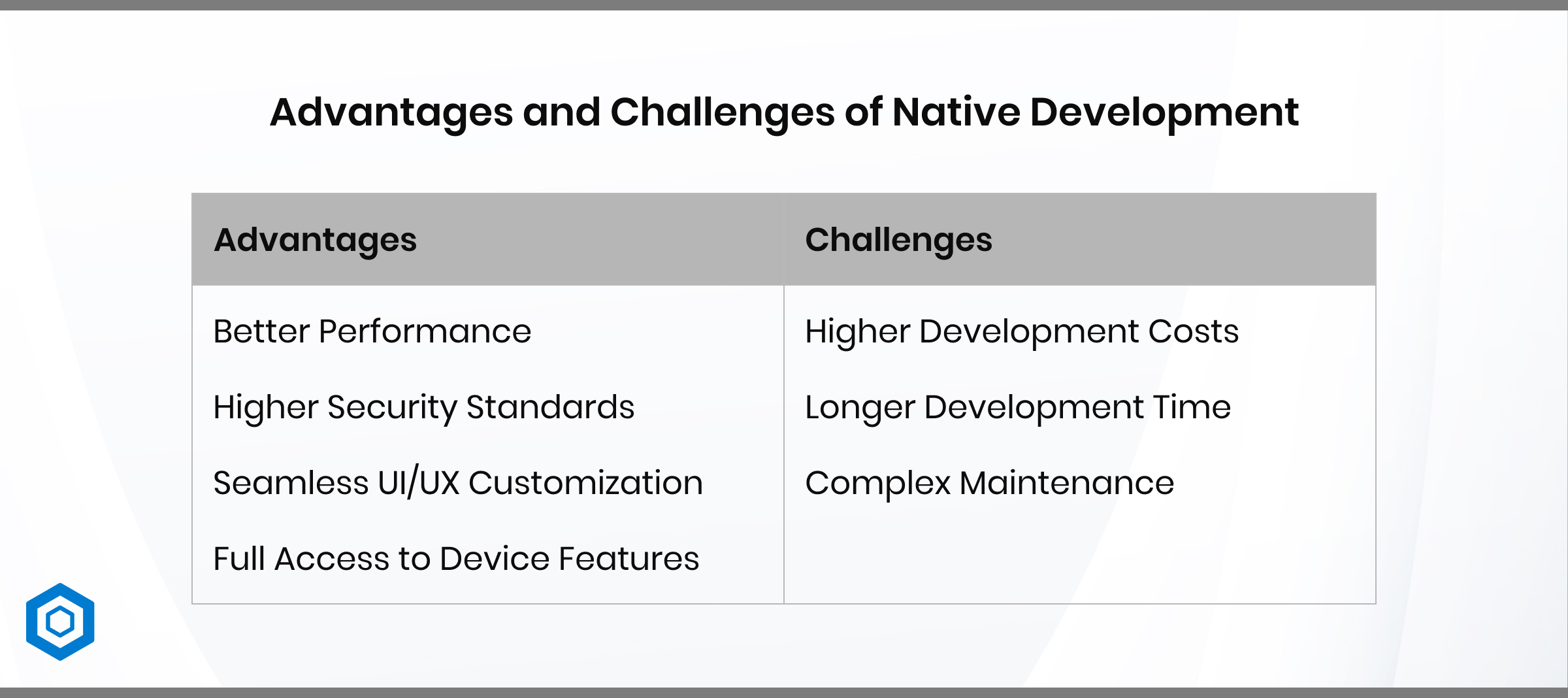
Advantages of Native Development
Challenges of Native Development
Businesses can build mobile apps through cross-platform development which operates on various platforms while using the same programming source. Cross-platform app development reached $120 billion in 2023 & reach $546.7 billion by 2033. The development tools Flutter, React Native, and Xamarin give developers the power to create high-performing applications that operate on Android and iOS systems while requiring only a single programming code.
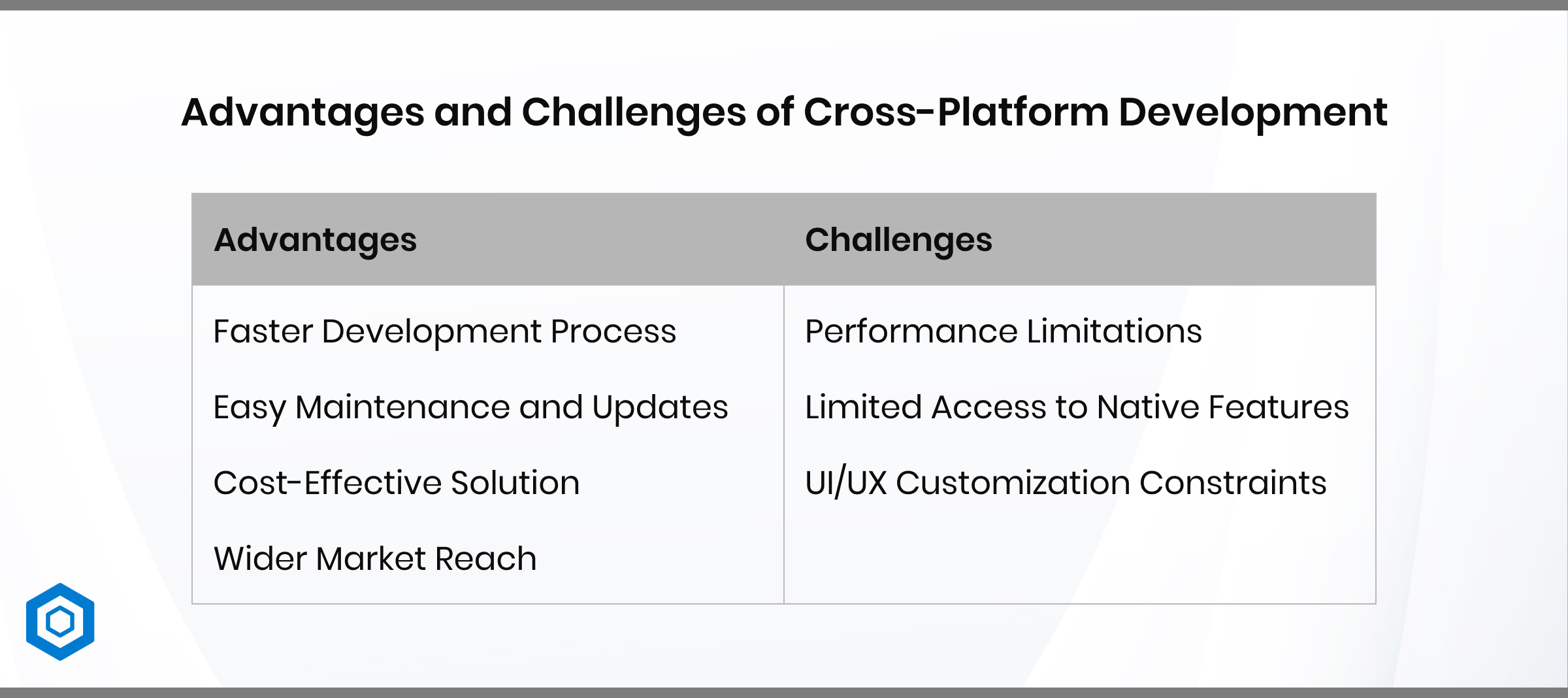
Advantages of Cross-Platform Development
Challenges of Cross-Platform Development
Choosing between native and cross-platform development depends on various factors, including business goals, target audience, budget, and technical requirements.
Web app development plays as crucial a role as mobile applications do within Singapore’s digital market. Businesses generally select progressive web apps because these applications deliver mobile application functionality through web browsers. The combination of reduced expenses and user-friendly application performance makes this option suitable for users.
Web applications work with cross-platform development solutions to maintain device consistency while omitting the need for device-specific mobile applications.

Both native and cross-platform development have their own strengths and weaknesses. Businesses in Singapore must carefully evaluate their objectives before deciding on the right approach.
If your priority is performance, security, and deep integration, native development is the way to go. On the other hand, if you’re looking for a cost-effective, fast-to-market solution, cross-platform development offers excellent advantages.
No matter the approach, investing in high-quality custom mobile app development with seamless UI/UX customization is crucial to building a successful digital product.