
31 MAR 2023
Welcome to the world of AI UX design, where art and technology meet to create a user experience that’s truly out of this world! With artificial intelligence becoming more advanced daily, designers are exploring new user interfaces and experience frontiers.
From chatbots to virtual assistants, AI-powered product design & interfaces are changing how we interact with technology. In this blog post, we’ll explore how AI transforming the UX UI design Industry and what it means for businesses looking to stay ahead of the curve. So buckle up for an exciting ride into the future of digital design!
AI UX design is a new way of designing user interfaces that take into account the user’s cognitive biases and limitations. It is based on the principles of artificial intelligence (AI) and machine learning (ML).
AI UX design aims to create user interfaces that are easy to use and effective. To do this, Best UX/UI designers need to understand how users think and behave. They also need to understand how machines work.
Offshore UX Designers who use AI UX design methods create user interfaces that are:
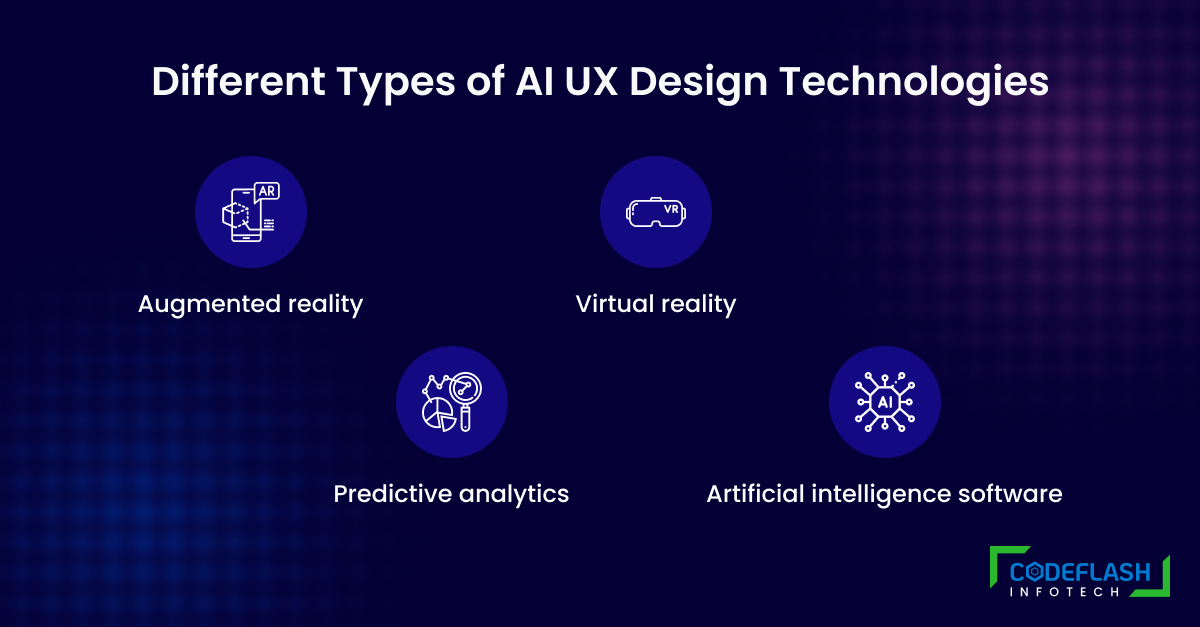
There are many different types of AI UX design technologies available to designers. Some of the most popular include:
Some people believe that artificial intelligence (AI) will eventually take over many jobs currently performed by humans. One area where AI is already impacting is the field of user experience (UX) design. Here are some pros and cons of using AI in UX design:
PROS
CONS
When it comes to AI UX design, there are a fewbest practices that you should keep in mind. First and foremost, AI UX design should complement and enhance your existing UX design process, not replace it. Additionally, remember that AI is not a silver bullet – it’s important to use AI as part of a holistic approach that considers the user’s needs and preferences.
1. Use data to inform your designs
One of the benefits of using AI in your UX design process is that it gives you access to large amounts of data that can be used to inform your designs. When designing with AI, be sure to use user data to help inform your designs. This data can be used to understand user behavior and preferences, which can be incorporated into the design.
2. Consider the user’s context
When using AI to design user experiences, it’s important to consider the user’s context. This includes factors such as the user’s location, devices they are using, time of day, etc. This information can be used to create more personalized and relevant user experiences.
3. Simplify complex tasks
Another benefit of using AI in your UX designs is that it can help simplify complex tasks for users. When designing with AI, look for ways to make tasks easier and more efficient for users. This could include automating certain processes, providing personalized recommendations, or simplifying the user interface.
4. Test and iterate
Finally, testing and iterating on your AI UX designs continuously is important. Use this information to adjust your designs to optimize the user experience as you get more user data.
These are just a few examples of AI UX designs in action. As AI advances, we can expect to see even more innovative designs that make it easier for people to interact with technology.

There are a few potential limitations to keep in mind when implementing AI UX design principles into your designs.
The emergence of AI in UX design has opened up a world of possibilities for creating (UX/UI) user experiences that are personalized and engaging. With the help of advanced algorithms and predictive analytics, AI design has the potential to deliver a seamless and intuitive experience that caters to the unique preferences and requirements of each user.
The applications of this technology in UX design are just starting to be explored, and the possibilities are immense. As designers continue to push the boundaries of innovation and development, AI will undoubtedly play an increasingly central role in our lives. For more information on the latest AI tools for UI/UX design, be sure to check out our website and read our article on the Top 8 New AI Tools for UI/UX Design.